
Strength training for runners: How Pilates Can Boost Your Performance and Mood
Runners, this one’s for you!
I know how much you love to run, and I also know you’re aware that adding strength and mobility to your workouts will help you keep running longer—especially as we hit the 40+ mark. But here’s the thing: without building strength, you’re leaving yourself vulnerable to injuries and even burnout. The good news is, just a little bit of strength work—especially Pilates—can do wonders. Not only will it boost your running performance, but it’ll also work wonders for your mental well-being.
The Importance of Strength Training for Runners
Strength training is a game-changer for runners. Studies have shown that runners who incorporate strength exercises into their training are less likely to experience injuries and see improved running efficiency. A study published in The Journal of Strength and Conditioning Research found that strength training helps prevent common running injuries like IT band syndrome, shin splints, and Achilles tendinitis. By focusing on key areas like the core, glutes, and legs, strength work reduces muscle imbalances, making your running form more efficient. Exactly what we focus on in Pilates for Runners.
Without proper strength training, though, runners are more likely to develop overuse injuries. When you are only running, the repetitive impact and only using muscles in one direction can wear down your body. This becomes even more of an issue when stress levels are high, leading to tight muscles, fatigue, and a higher risk of injury.
The Link Between Physical Strength and Mental Well-being
Did you know that building physical strength can also help boost your mental resilience? Research in Health Psychology has shown that exercise, including strength training, has a positive effect on mood by reducing symptoms of anxiety and depression. The mental benefits of strength work are especially valuable for runners who juggle daily pressures from work, family, and other stressors. So, if you think only running clears your mind, it might be time to rethink that and consider supporting your body as well as your mind.
Strength training stimulates the release of endorphins—those “feel-good” chemicals in the brain that help reduce stress and improve mood. Completing a strength workout can give you a sense of accomplishment and control, helping you manage mental fatigue. The benefits of Pilates are even more powerful because it emphasises mindfulness and body awareness.
Pilates as a Solution for Runners
Pilates is particularly beneficial for runners because it targets the key muscle groups most involved in running: your core, glutes, and legs. Pilates helps improve flexibility, balance, and stability—so important for maintaining proper running form, especially as you get older.
For example, a study in Sports Medicine found that Pilates helps activate the deep stabilising muscles of the core, which support your spine and pelvis during physical activity. This is key for runners because a strong core improves posture and reduces strain on the lower back, knees, and hips. Similarly, Pilates strengthens the glutes, which are often weak in runners. Strong glutes not only improve running power but also help prevent injuries like runner’s knee and hip pain. Check out this simple exercise you can do while waiting for the kettle to boil on instagram
Pilates also helps flexibility—an often-overlooked area for runners. Tight hamstrings and hip flexors can limit your stride length and cause discomfort during and after runs. Incorporating Pilates into your routine will help keep these muscles long and flexible, reducing tension and improving your range of motion.
Simple Pilates Moves for Runner
You don’t need to spend hours in the gym to experience the benefits of Pilates. In fact, I personally train for 30 minutes, three times a week, and it’s made a huge difference. Here are a few simple Pilates exercises you can incorporate into your routine to target key muscle groups:
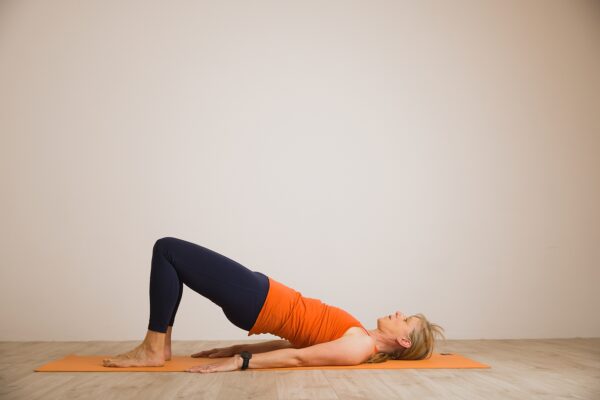
The Shoulder Bridge
Targets: Glutes, hamstrings, and lower back
Why it helps: The shoulder bridge is great for activating the glutes, which are essential for running propulsion. It also strengthens the lower back, reducing the risk of injury during long runs.
How to do it: Lie on your back with your knees bent and feet flat on the floor. Slowly lift your hips toward the ceiling while keeping your shoulders on the ground. Hold for a few seconds, then lower back down.
1-Leg Circles
Targets: Hip flexors, core, and flexibility
Why it helps: This Pilates exercise helps increase flexibility in the hips and improves core stability—both key for maintaining balanced and efficient running form.
How to do it: Lie on your back and extend one leg toward the ceiling. Slowly make small circles with your leg, keeping your core engaged to stabilize your body. Switch legs after 10-12 reps.
Plank with Leg Lift
Targets: Core, glutes, and shoulders
Why it helps: The plank engages your entire core, vital for good running posture and injury prevention. Adding a leg lift challenges your glutes and further strengthens your core—but make sure you can hold a static plank first.
How to do it: Start in a forearm plank position. While keeping your body stable, lift one leg toward the ceiling, hold for a few seconds, then lower it. Repeat with the other leg.
How to Incorporate Pilates Into a Busy Schedule
You don’t need hours of spare time to get the benefits of Pilates. In fact, 10-minute sessions can be incredibly effective if done consistently. Here’s how to fit Pilates into your day:
Warm-up or cool-down: Add Pilates to your warm-up or cool-down before or after your runs. This will prime your muscles and help you recover faster.
Quick daily sessions: Break your Pilates routine into quick, daily sessions targeting specific areas like your core, glutes, or flexibility.
Sneak in a session during your lunch break or while watching TV: Many Pilates exercises require no equipment and can be done in a small space.
The key is consistency. Even just 10 minutes a day will lead to noticeable improvements in your strength, flexibility, and overall well-being. Download my habit tracker here to help keep you on track!
If you’re new to strength work, Pilates is a fantastic way to enhance both your running performance and mental resilience. It will help prevent injuries, boost your running efficiency, and provide the mental clarity and strength you need to tackle the challenges of everyday life. So why not take just a few minutes each day to give your body the care it deserves? Your runs—and your mood—will thank you!