
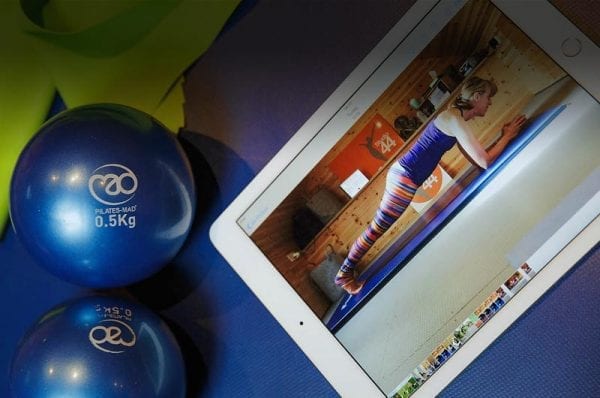
Why a 10-minute Pilates workout can make a real difference for runners
Life is full. If you’re juggling work, family, and running, the idea of adding another thing to your to-do list—like Pilates—can feel overwhelming. But what if just 10 minutes a day could help you run better, feel looser, and stay injury-free? This blog is for every runner who’s short on time but ready to feel stronger and more supported, one small step at a time.
5 Tips to help you make a difference with a 10-minute Pilates workout
1. The Power of a 10-Minute Pilates Workout
“I don’t have time.” It’s something we all say now and again, especially when it comes to exercise. Between work, family, and the demands of everyday life, carving out an hour can feel impossible. But what if just 10 minutes could still lead to real improvements?
Research shows that even short workouts can offer significant health benefits. Studies have found that three 10-minute sessions throughout the day can be as effective as one 30-minute workout in improving cardiovascular fitness and lowering blood pressure. Known as “exercise snacking,” this approach is about consistency and quality over quantity—and it works
2. Why a 10-Minute Pilates Workout is Ideal for Runners
Pilates is a natural complement to running. It strengthens your core, improves posture, increases flexibility, and promotes better movement patterns. All of this helps with performance, efficiency, and reducing injury risk.
For runners, tight hips, hamstrings, and weak glutes are common issues. A short Pilates session can be laser-focused on these areas, supporting your running without taking over your schedule. It’s also gentle and low-impact—ideal if you’re returning from injury or building consistency.
3. Time-Poor? Here’s Why a Short Pilates Session Works
If you feel like there just aren’t enough hours in the day, you’re not alone. A 10-minute Pilates session can be done before work, during your lunch break, or as part of your evening wind-down. No equipment needed, just a mat and some space.
Even short bursts of movement help activate your muscles, improve circulation, and support recovery from runs. Think of it as a reset button for your body.
4. Motivation Lagging? Start Small to Build Big Wins
One of the best ways to beat that “I can’t be bothered” feeling is to make it so simple you can’t say no.
I asked the members of the Pilates for how they stay consistent, and here’s what they shared:
“I set repeat alarms on my phone for live classes and do 10 minutes of Pilates every night before I sit down to watch TV at 9-ish.”
“Early morning is best, especially for stretching. The same time helps too.”
“It’s in my calendar!”
“I diarise all the sessions into my work calendar. This ensures that I always try my best to attend.”
“Have a weekly commitment to do at least 2 live classes. Do Pilates exercises during the day, but I’m not good at using the membership.”
Consistency doesn’t have to be perfect. Start with one 10-minute session a week, and build from there.
5. Easy Ways to Start Your 10-Minute Pilates Workout Routine
Here’s a simple, effective routine designed especially for runners. It targets tight areas, builds strength, and supports mobility—all in 10 minutes.
Do each exercise for about 1 minute, with 30 seconds for transitions.
Pelvic Tilts – Gently mobilise the lower spine.
Glute Bridges – Strengthen glutes and hamstrings.
Single Leg Stretch – Build core strength and coordination.
Side-Lying Leg Lifts – Stabilise hips and activate glute medius.
Thread the Needle – Improve upper back mobility.
Hamstring Stretch – Release tension after running.
Tip: Use a playlist you love or set a timer. The hardest part is starting—but you’ll finish feeling stronger and more grounded.
Remember: Pilates doesn’t have to be long or complicated to be effective. A 10-minute workout done regularly can bring real benefits to your running, mobility, and mindset. Try one of these 10-minute classes for FREE here