Oh god not another hill! Why Running Hills Feels Hard (and How Pilates Can Help)
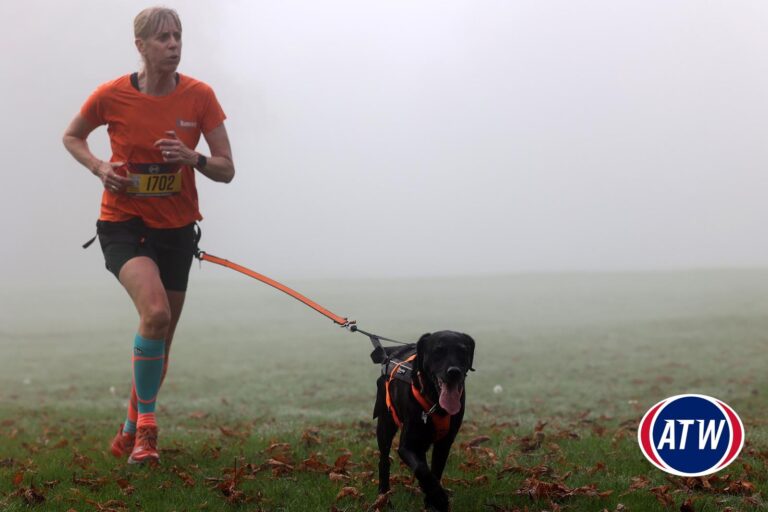
Running hills. Even just hearing those words can make your legs ache, your breathe shorten and your head come up with lots of excuses not to keep going! If you’ve ever muttered (or shouted) “Oh god, not another hill!” mid-run you’re not alone.
To be honest, I’m getting better at running hills. But my head does sometimes get in the way. It used to be both my head and my body letting me down on hills. But through Pilates for Runners, I’ve worked on the body and that’s made all the difference.
Why Running Hills Feels Hard
Running on up hills changes everything. Your stride shifts, your breathing deepens, and your muscles work harder to push you uphill. Hills challenge your body and your mindset. Especially for runners over 40 or those returning after a break, hills can feel like a huge barrier.
But here’s the good news: with the right kind of strength training, like Pilates you can train your body to handle hills better, more efficiently, and with confidence.
Key Muscles That Help You Run Hills
To run hills well, your body needs strength and stability from head to toe. Here are the muscles to focus on:
Core
What it does: Maintain posture, stabilise the pelvis and spine, control rotation.
Why they help: On a hill, a strong core keeps your body aligned so your legs can do their job.
Glutes (gluteus maximus and medius)
What they do: Power hip extension, stabilise your pelvis, support your stride.
Why they help: You need glute strength to drive upwards and keep your hips level.
Hamstrings and Hip Extensors
What they do: Help extend the leg behind you, support propulsion.
Why they help: These muscles give you the push needed to climb.
Hip Flexors and Quads
What they do: Lift the leg, support knee extension.
Why they help: Help lift the knee with control and power on inclines.
Calves, Ankles and Foot Stabilisers
What they do: Push off, maintain balance, absorb impact.
Why they help: Strong lower legs mean more stable, powerful strides.
Upper Back, Shoulders and Postural Muscles
What they do: Support posture, arm swing, breathing.
Why they matter: Good posture helps you breathe easier and stay efficient as you climb.
How Pilates Helps You running Hills
Pilates for runners strengthens and trains the exact muscles that make hill running easier. It strengthens deep core stabilisers, glutes, and posture muscles, all while improving alignment, balance, and movement control.
It also gives you:
- Better pelvic stability
- Stronger push-off and stride control
- Improved posture and breathing
- Greater awareness of how your body moves
And let’s not forget the mental side: Pilates brings in breathing, focus, and body awareness all of which can help quiet that inner voice that says, “you can’t”
A Simple Pilates Plan for Hills
Want to build up your hill confidence?
Try this some of these exercises