
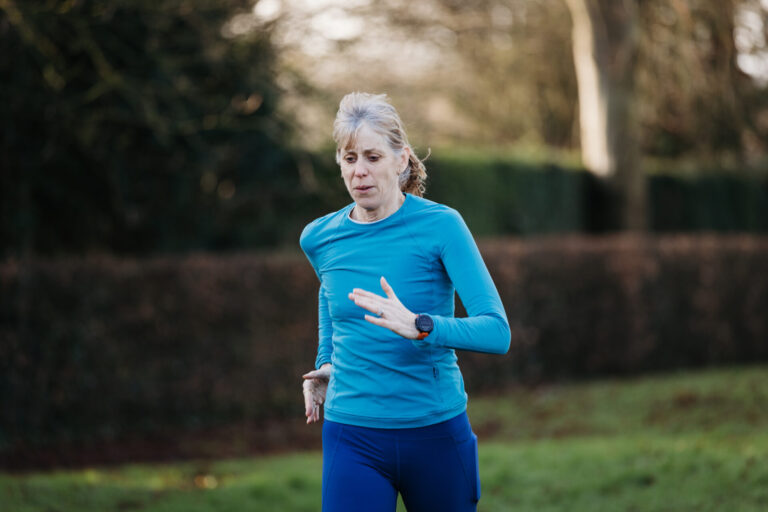
Starting Running at 40: Your Body Is More Capable Than You Think
“I’m too old to run.”
“My knees won’t cope.”
“I’m so unfit I could never run.”
These are just some of the things I hear from women in their 40s, 50s and 60s when we start talking about starting running at 40 or later in life. Often they tell me it’s something they used to do years ago but feel they can’t return to now, or something they’ve always wanted to try but worry their body simply wouldn’t manage it.
Sound familiar?
But believe it or not, your body is far more capable than you might think. In fact, research and real-life stories increasingly show that women can be incredibly strong endurance athletes later in life. Lily Canter and Emma Wilkinson wrote about this in their book Ultra Women, which explores how women often develop remarkable endurance as they age.
So whatever life is throwing at you right now, work, family, menopause, or simply feeling busy and tired adding running into the mix might actually be one of the best things you can do for your health and confidence.
Myths About Running and Ageing
There are many myths about running and ageing, particularly for women in midlife.
If you’ve been reading about menopause and the changes it can bring to the body (or if you’ve read some of my previous blogs like this one on Pilates for runners in menopause), you’ll know that strength training becomes increasingly important as we get older.
A stronger body supports your joints, improves stability and makes running far more comfortable and enjoyable.
Running itself is also excellent aerobic exercise. It supports heart health, improves lung function, boosts mood and can help regulate energy levels, all things many women notice changing during menopause.
Even if you have never run before, your body can still adapt. Research suggests that even 75 minutes of running a week is linked to improved health and a lower risk of early death.
Our bodies are incredibly adaptable. The key isn’t age, it’s how we train and how gradually we build up.
Many women notice during menopause that things that once worked for them start to feel different. Recovery takes longer, sleep changes, and even things like alcohol or training intensity may affect us differently.
That doesn’t mean we stop moving. It simply means we adjust how we train so our body can respond positively.
Starting Running at 40: It’s About Progress, Not Perfection
If you are starting running at 40 or later, the most important thing is to begin gradually.
Your body will adapt to the demands you place on it, but it needs time.
You’re not in your twenties anymore where you might have popped out for a fast 10K without much preparation. But that doesn’t mean those achievements aren’t still possible, it just means building up to them more sensibly.
Many people start with a run-walk approach, such as Couch to 5K, which gently introduces running intervals and allows the body to strengthen over time.
Alongside this, adding strength work and mobility exercises like Pilates can make a huge difference. Strengthening the hips, glutes and core helps support the knees and improve running efficiency.
What About Knees, Impact and Arthritis?
One of the biggest fears people have about running later in life is knee damage.
But interestingly, research suggests that recreational runners are no more likely to develop knee arthritis than non-runners, and in some cases may even have healthier joints.
The reason is that movement stimulates the tissues around the joint. Running, when introduced gradually, strengthens muscles, tendons and ligaments that support the knee.
Impact itself is not something we should avoid completely. In fact, our bodies need impact.
As women move through menopause, bone density naturally begins to decrease. Weight-bearing and impact exercises such as running, jumping or brisk walking help stimulate bone strength.
This is incredibly important for protecting against osteoporosis later in life.
Why Running Can Be So Powerful in Midlife
Running isn’t just about fitness or speed. It can have a powerful impact on how we feel both physically and mentally.
Regular running can help:
Improve bone density
Support heart health
Boost mood and reduce stress
Improve sleep
Increase confidence and resilience
Maintain muscle strength and mobility
For many women, running also provides something just for them a small pocket of time away from the demands of everyday life.
Your Body Is Designed to Adapt
One of the most important things to remember is that the body is designed to move, adapt and become stronger.
Age does not suddenly switch that ability off.
Whether you are 40, 50 or 60, your muscles, bones and cardiovascular system still respond positively to the right type of training.
You don’t need to run fast.
You don’t need to run far.
You simply need to start.
A Real Example: Lizzie’s Story
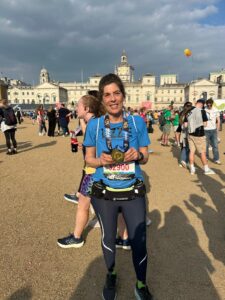
Lizzie began running at 59 and went on to complete the London Marathon.
She worked with a running coach to build her running gradually and used Pilates and strength training to support her body along the way.
The result? She achieved something she once thought might be impossible.
You can read more about her journey here:
If you’ve been thinking about running but telling yourself you’re too old, perhaps it’s time to challenge that belief.
Your body may be capable of far more than you realise.
Want Support With Your Running?
If you’re thinking about starting running at 40 or returning to it after a break, having the right support for your body makes a huge difference.
Strong hips, glutes and core help stabilise your knees, improve your running efficiency and reduce the risk of injury. That’s exactly where Pilates can help.
Inside my Pilates for Runners Membership, I guide runners through targeted strength, mobility and Pilates sessions designed specifically to support running bodies especially for women over 40 navigating the changes that come with midlife and menopause.
Whether you’re just starting out with a run-walk approach or building towards longer runs, these sessions help you feel stronger, more balanced and more confident in your body.