
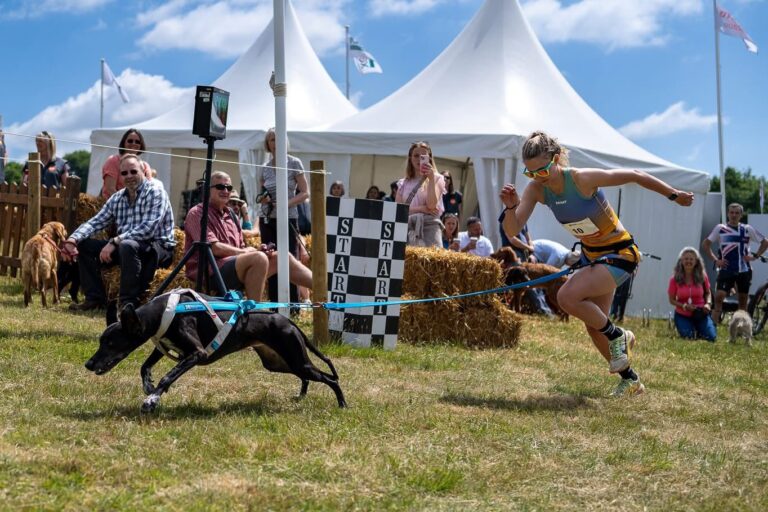
Tips for running faster
When we want to improve our running speed, it’s easy to think the answer is simply running more, running harder, or adding endless sprint sessions. But here’s the thing: sometimes the real speed gains happen when you step away from the track or trail.
That’s where Pilates comes in.
Pilates focuses on strength, control, and alignment all of which help your body move more efficiently. And when your body works better, you can run faster without extra strain.
Here are my five favourite Pilates tips for running faster that don’t involve clocking more miles:
Strengthen Your Core for More Power
In Pilates, core means more than just your abs it’s the deep muscles around your pelvis, hips, and spine. A strong core keeps your body stable so you can drive each stride forward with more force, without losing energy through wobbles or poor posture.
Improve Your Posture to Breathe Easier
When fatigue sets in, shoulders roll forward, your chest closes, and breathing becomes harder. (Read my blog all about posture here ) Pilates trains you to maintain an open chest and upright posture, helping you take in more oxygen the fuel your muscles need to run faster and for longer.
Free Up Your Hips for a Longer Stride
Tight hips can hold you back (literally). Pilates stretches and strengthens your hip flexors, glutes, and hamstrings so your legs can move freely. The result? A smoother, longer stride that covers more ground with less effort.
Protect Your Joints to Keep Training Consistently
Nothing slows progress more than injury. Pilates works the smaller stabilising muscles that support your knees, hips, and ankles, reducing your risk of common running injuries. Consistent training is the real secret behind speed improvements.
Tune In to Your Body’s Signals
Pilates teaches precision and awareness. That means when you’re running, you’ll notice small changes in your form and be able to adjust before fatigue slows you down. It’s like having your own built-in running coach.

Runner Spotlight – Georgina’s Story
“I’ve noticed a significant improvement in my overall mobility. This has had a direct impact on my recovery after both training and racing by moving more freely and evenly throughout my whole body, I’m able to bounce back quicker, meaning I can train more consistently without feeling as fatigued.
Beyond recovery, Pilates has improved my daily physical strength and wellbeing. I feel stronger, not just during workouts, but in everyday life. In my running, the difference is especially noticeable on the hills and when I do speed work my body feels more stable and powerful, which helps me maintain my form and push harder.
One of the biggest changes I’ve noticed is my muscle flexibility. Increased range of motion means I can work through movement more effectively, which in turn builds greater strength. For example, I can squat better now, which means I can get more from my strength work.
This flexibility-strength cycle has allowed me to recover faster, keep injuries at bay, and perform better across all types of my training.”
💡 Getting Started
Even two short Pilates sessions (10-minutes) a week can make a real difference.
If you’re ready to work on your strength, posture, and stride in a way that feels good, my Pilates for Runners membership is a great place to get started.